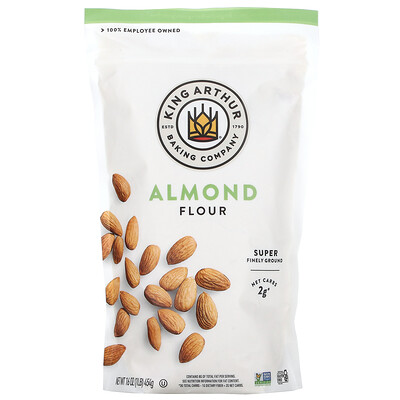
King Arthur Baking Company Almond Flour: A Nutrient-Dense Gluten-Free Alternative
Name and Basic Overview
King Arthur Baking Company Almond Flour is a finely ground flour made from almonds, known for its low carbohydrate content and high fat profile. It is often used as a gluten-free alternative to wheat flour in baking and cooking. Almonds, the source of this flour, are naturally occurring nuts from the almond tree (Prunus dulcis). People commonly seek almond flour for its use in low-carb and gluten-free diets, as well as for its potential benefits in weight management and heart health.
Historical Background / Traditional Use
Almonds have been cultivated for thousands of years, originating from the Middle East and South Asia. They have been a staple in various traditional diets and are often mentioned in historical texts for their nutritional value. While almonds themselves have been used in traditional medicine for their purported health benefits, almond flour as a specific product is more of a modern innovation, catering to contemporary dietary needs such as gluten-free and low-carb diets.
Composition and Active Components
Almond flour is rich in healthy fats, particularly monounsaturated fats (5g per serving), which are known to support heart health. It contains a moderate amount of protein (3g per serving) and dietary fiber (1g per serving), contributing to satiety and digestive health. The flour is also a source of essential minerals such as calcium (38mg), iron (1mg), potassium (105mg), and magnesium (43mg), which play various roles in bone health, oxygen transport, and muscle function.
Research and Evidence Base
Research indicates that almonds and almond-based products like almond flour can be beneficial for heart health due to their high content of monounsaturated fats and low levels of saturated fats. Studies have shown that these fats can help reduce LDL cholesterol levels. Almond flour's low carbohydrate content makes it a popular choice for those following ketogenic or low-carb diets. Some studies suggest that low-carb diets can be effective for weight loss and improving metabolic health markers. The fiber content in almond flour, although modest, can contribute to improved digestive health and glycemic control, as fiber slows the absorption of sugar into the bloodstream. While the evidence supporting the health benefits of almond flour is promising, it is important to note that most studies focus on almonds as a whole. More specific research on almond flour itself would be beneficial to fully understand its health impacts.
Potential Health Benefits
- Low Carbohydrate Content: With only 2 g of net carbs per serving, this almond flour is suitable for low-carb and ketogenic diets, potentially aiding in weight management and blood sugar control.
- Rich in Healthy Fats: Contains 8 g of total fat, including monounsaturated and polyunsaturated fats, which are beneficial for heart health.
- Gluten-Free: Certified gluten-free, making it a safe alternative for individuals with celiac disease or gluten sensitivity.
- Nutrient-Dense: Provides essential nutrients such as magnesium, calcium, and iron, supporting bone health and energy metabolism.
- Protein Source: Offers 3 g of protein per serving, contributing to muscle maintenance and repair.
Safety, Side Effects, and Precautions
- Allergies: As it is made from almonds, it is not suitable for individuals with nut allergies.
- Caloric Density: Almond flour is calorie-dense due to its fat content, which may not be ideal for those on a calorie-restricted diet.
- Digestive Concerns: Some individuals may experience gastrointestinal discomfort due to its fiber content.
- Specific Populations: Pregnant women and children should consult a healthcare provider before making significant dietary changes.
Summary and Takeaway
Main Benefits: Low in carbs, rich in healthy fats, gluten-free, nutrient-dense, and a good protein source.
Caveats: Not suitable for those with nut allergies, calorie-dense, and may cause digestive issues in some.
Potential Risks: Allergic reactions in sensitive individuals, potential weight gain if consumed in excess.
Worth Trying: Ideal for those on low-carb or gluten-free diets, but caution is advised for those with nut allergies or calorie restrictions.
Rating Among Similar Supplements: 8/10. It is a high-quality almond flour with excellent nutritional benefits, but its suitability is limited by potential allergenicity.
Rating Based on Research: 7/10. While almond flour is well-studied for its nutritional benefits, more research is needed on its long-term health impacts in specific populations.

Wellmate AI
Your smart AI assistant for supplements and wellness. Trained on scientific research, it provides personalized recommendations based on your intake, health data, and global standards (WHO, FDA). Chat with AI, track supplements, and get expert-backed insights—all in one app. Download Wellmate