Inositol: Benefits, Uses, and Safety
Name and Basic Overview
Inositol is a carbohydrate compound often grouped with the B-vitamins, though it is not a vitamin itself. It is naturally present in both animal and plant foods, with high concentrations in fruits, beans, grains, and nuts.
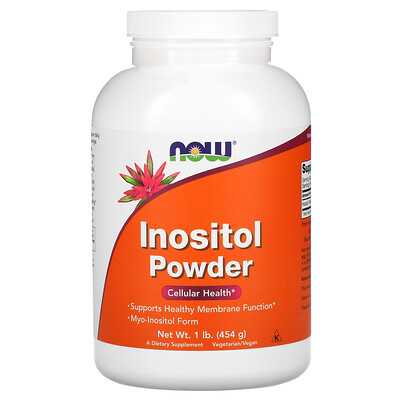
The Myo-Inositol form is the most prevalent and biologically active form of inositol, commonly sought for its potential benefits in cellular health, neurotransmitter signaling, and metabolic processes.
People often use inositol supplements for supporting mental health, managing polycystic ovary syndrome (PCOS), and enhancing insulin sensitivity.
Historical Background / Traditional Use
Inositol has been recognized for its role in cellular processes since the early 20th century. While not traditionally used in ancient medicine, its importance in modern health practices has grown, particularly in the context of mental health and metabolic disorders.
Historically, inositol was not isolated for specific therapeutic use, but its presence in a balanced diet was understood to contribute to overall health.
Composition and Active Components
The primary active component in this supplement is Myo-Inositol, a stereoisomer of inositol. It is a crucial component of cell membranes and is involved in the phosphatidylinositol signaling pathway.
Myo-Inositol plays a significant role in neurotransmitter signaling, which can influence mood and cognitive function. It also supports insulin signal transduction, which is vital for glucose metabolism and lipid regulation.
Additionally, inositol is involved in maintaining cellular calcium balance, which is essential for various cellular functions, including muscle contraction and nerve transmission.
Research and Evidence Base
Clinical studies have shown that Myo-Inositol may be beneficial in managing conditions like PCOS, where it helps improve ovarian function and insulin sensitivity. A meta-analysis of randomized controlled trials suggests that Myo-Inositol supplementation can improve ovulation and metabolic parameters in women with PCOS.
In the realm of mental health, inositol has been studied for its potential effects on mood disorders, including depression and anxiety. Some studies indicate that it may have a positive impact, although the evidence is not yet robust enough to make definitive claims.
Research also suggests that inositol may aid in reducing symptoms of metabolic syndrome by enhancing insulin sensitivity and lipid metabolism, though more extensive studies are needed to confirm these effects.
Overall, while preliminary findings are promising, further research is necessary to fully understand the scope of inositol's benefits and its mechanisms of action in various health conditions.
Potential Health Benefits
- Cellular Health: Inositol is integral to maintaining cellular health, particularly in the brain and central nervous system, where it supports neurotransmitter signaling. This can potentially aid in mood regulation and cognitive function.
- Supports Healthy Membrane Function: As a component of cell membranes, inositol contributes to the structural integrity and function of cells, which is crucial for overall cellular health.
- Insulin Sensitivity: Inositol has been studied for its role in enhancing insulin sensitivity, which may be beneficial for individuals with insulin resistance or polycystic ovary syndrome (PCOS).
- Lipid Metabolism: It plays a role in lipid metabolism, potentially aiding in the management of cholesterol levels and supporting cardiovascular health.
- Calcium Balance: Inositol is involved in maintaining cellular calcium balance, which is essential for various cellular processes, including muscle contraction and nerve function.
Safety, Side Effects, and Precautions
- Gastrointestinal Upset: Some individuals may experience mild gastrointestinal side effects, such as nausea or diarrhea, especially at higher doses.
- Pregnancy and Breastfeeding: While inositol is generally considered safe, pregnant or breastfeeding women should consult a healthcare provider before use.
- Interactions with Medications: Those on medications for mood disorders or diabetes should seek medical advice, as inositol may interact with these treatments.
- Allergic Reactions: Although rare, individuals with known allergies to inositol should avoid this supplement.
Summary and Takeaway
Main Benefits: Supports cellular health, neurotransmitter signaling, insulin sensitivity, and lipid metabolism.
Caveats: Potential for mild gastrointestinal upset; consult a healthcare provider if pregnant, breastfeeding, or on certain medications.
Potential Risks: Minimal, but caution is advised for specific populations.
Worth Trying: Inositol may be beneficial for those looking to support brain health, insulin sensitivity, or lipid metabolism. It is particularly noted for its potential benefits in managing PCOS symptoms.
Open Questions: More research is needed to fully understand the long-term effects and optimal dosing for various health conditions.
Rating Among Supplements: 8/10. Inositol is a well-regarded supplement with a range of potential health benefits, particularly for brain and metabolic health.
Rating Based on Research: 7/10. While there is promising research, more extensive studies are needed to confirm its efficacy across different health conditions.

Wellmate AI
Your smart AI assistant for supplements and wellness. Trained on scientific research, it provides personalized recommendations based on your intake, health data, and global standards (WHO, FDA). Chat with AI, track supplements, and get expert-backed insights—all in one app. Download Wellmate