Immune Resilience: Supplements for a Stronger Immune System
As we embrace changing seasons, our health priorities often shift to boosting our immune systems. For women over 40, maintaining a robust immune system becomes paramount—not just to ward off common colds and flu but also to sustain overall vitality. In addition to maintaining a balanced diet, staying active, and managing stress, certain supplements can play a key role in enhancing your immune resilience. Here, we delve into some effective supplements that can help bolster your immune defenses, offer seasonal advice, and share the latest scientific discoveries. We also encourage readers to share their own experiences and tips for staying healthy.
The Role of Supplements in Immune Health
Before we dive into specific supplements, it's essential to understand why they can be beneficial. Our immune system is an intricate network of cells, tissues, and organs working in harmony to fend off infections. As we age, the immune response capability becomes reduced, which in turn contributes to more illnesses and infections. Supplements can provide a potent boost to this system, especially when dietary intake might be insufficient.
The Power Players: Essential Immune-Boosting Supplements
Vitamin C - The Classic Guardian
Vitamin C has long been the poster child for immune support. This powerful antioxidant helps protect against oxidative stress, improves the function of immune cells, and supports the skin's defense systems—our first line of defense against pathogens.
Tip: Incorporate vitamin C-rich foods such as oranges, strawberries, bell peppers, and broccoli into your diet. Supplement with 500 to 1000 mg of vitamin C daily, especially during the cold season.
Vitamin D - The Sunshine Vitamin
Vitamin D is crucial for the activation of immune defenses. Deficiency in vitamin D has been linked to increased susceptibility to infection. Considering that the primary source of vitamin D is sunlight, many people, particularly in the winter months, may not get enough of it.
Tip: Consider a daily supplement of 1000 to 2000 IU of vitamin D, especially during fall and winter months. Also, try to get some natural sunlight exposure whenever possible.
Zinc - The Immune Booster
Zinc is vital for maintaining the integrity of the immune system. It helps in the development and function of immune cells and has been found to shorten the duration of colds.
Tip: Aim for a daily intake of 8-11 mg of zinc from sources like meat, shellfish, legumes, and seeds. Alternatively, a zinc supplement can be beneficial, especially during the cold season.
Probiotics - The Gut's Best Friend
A significant portion of the immune system is housed in the gut. Probiotics help maintain a healthy balance of gut bacteria and can support immune function.
Tip: Integrate probiotic-rich foods such as yogurt, kefir, sauerkraut, and kimchi into your diet. A quality probiotic supplement with multiple strains can also be beneficial.
Elderberry - The Herbal Protector
Elderberry has been traditionally used to help combat colds and flu. It contains antioxidants and vitamins that may boost immune function.
Tip: Elderberry syrup or capsules can be taken regularly, especially during flu season. Follow the dosage instructions on the product label for best results.
Seasonal Advice and Preventative Measures
Beyond supplements, there are several preventive measures you should consider integrating into your routine to support immunity, especially with the seasonal changes:
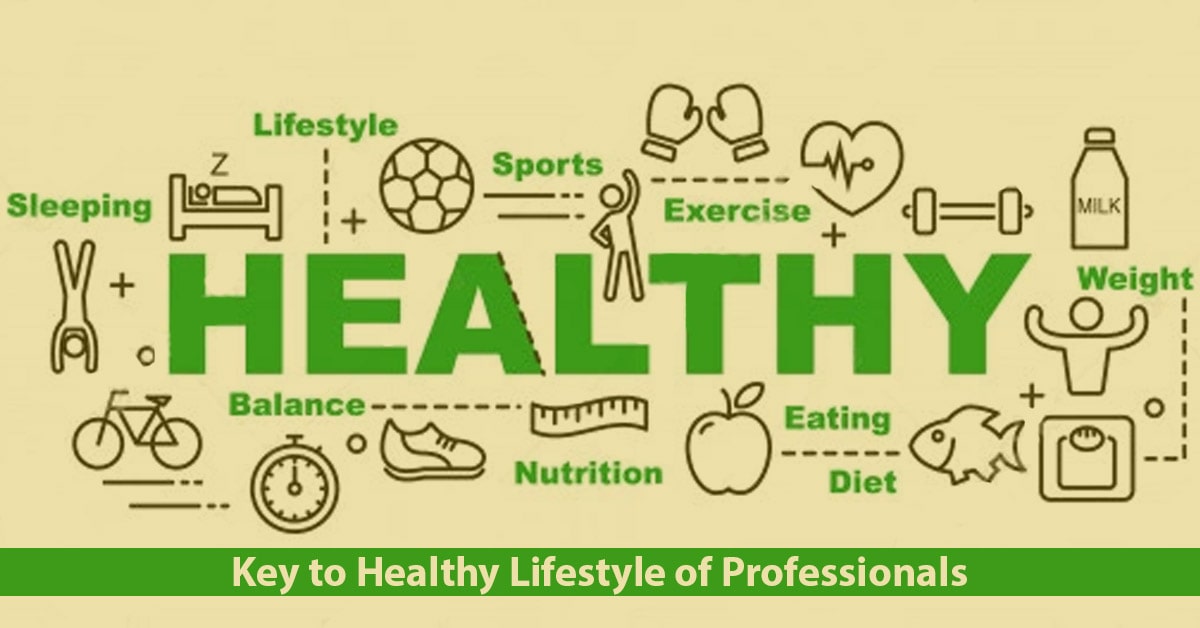
- Stay Hydrated: Proper hydration is crucial for all bodily functions, including the immune system. Aim to drink at least eight glasses of water daily.
- Adequate Sleep: Ensure you are getting 7-8 hours of quality sleep per night. Sleep deprivation can weaken the immune response.
- Balanced Diet: Include a variety of fruits, vegetables, lean proteins, and whole grains in your diet. These provide essential vitamins and minerals that support immune function.
- Regular Exercise: Moderate exercise can boost the immune system and promote overall health. Aim for 150 minutes of moderate exercise weekly.
- Stress Management: Chronic stress can impair the immune system. Practice relaxation techniques such as meditation, deep breathing, or yoga.
New Scientific Discoveries in Immune Health
Science continually evolves, bringing new insights into how we can better support our immune systems:
- Quercetin: This flavonoid, found in apples and onions, has been shown to have antiviral properties and may enhance the immune response. Recent studies suggest that quercetin supplements might reduce the number of sick days and improve recovery times from upper respiratory infections.
- Beta-Glucans: Derived from sources such as oats and barley, beta-glucans are known to enhance the activity of macrophages, the immune cells that filter out foreign substances. Beta-glucan supplements are gaining popularity for their potential to boost immune function, particularly in older adults.
- Curcumin: The active compound in turmeric, curcumin, has powerful anti-inflammatory and antioxidant properties. Recent research indicates that curcumin supplements can help modulate the immune system and reduce the risk of severe infections.
Inviting Reader Experiences
As we uncover more about immune health and its sustainability, personal stories and shared experiences can provide valuable insights and support to our community. Have you found a particular supplement helpful in boosting your immune system? Do you have seasonal routines or unique tips for staying healthy?
We invite you to share your thoughts, experiences, and questions. Your contributions can help us understand diverse perspectives and highlight strategies that have worked for others.
Conclusion
Health and wellness are ongoing journeys, especially as we age. Building and maintaining a resilient immune system requires a multi-faceted approach—combining the power of the right supplements, seasonal preventive measures, and staying informed about the latest scientific advances.
Remember, while supplements can play a significant role in supporting your immune health, they should complement—not replace—a balanced diet and healthy lifestyle. Always consult with a healthcare provider before starting any new supplement regimen to ensure it's appropriate for your individual health needs.
As we navigate the seasons of life, let’s remain proactive in our health, inspiring and learning from one another. Here’s to a robust immune system and a healthier, happier you!

Daria Yarygina
Daria is dedicated to promoting healthy eating habits and evidence-based nutrition practices through her research and publications. She is a certified dietitian with a passion for helping individuals achieve their health goals.