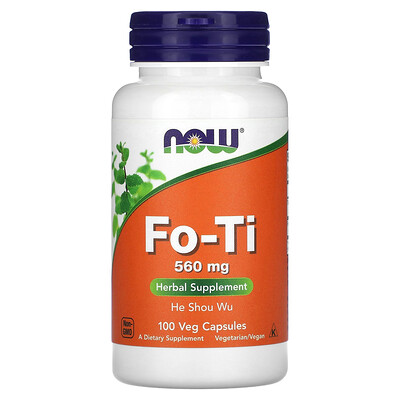
Fo-Ti (Polygonum multiflorum): Traditional Uses and Modern Insights
Name and Basic Overview
Fo-Ti (Polygonum multiflorum): Commonly known as He Shou Wu, Fo-Ti is a herbal supplement derived from the root of a woody perennial plant native to China. It is often sought for its purported tonic properties and potential to promote overall well-being. The supplement is available in various forms, including capsules, and is popular among those seeking natural remedies for vitality and longevity.
Natural Sources: The primary source of Fo-Ti is the root of the Polygonum multiflorum plant, which is cultivated in China and other parts of Asia.
Mainstream Uses: People commonly use Fo-Ti for its potential benefits in supporting hair health, enhancing energy levels, and promoting longevity.
Historical Background / Traditional Use
Traditional Chinese Medicine (TCM): Fo-Ti has a long history in Traditional Chinese Medicine, where it is revered for its supposed ability to restore vitality and prevent aging. It is traditionally used to support liver and kidney health and is believed to have rejuvenating properties.
Modern Usage: While modern usage still aligns with traditional beliefs, contemporary interest often focuses on its potential anti-aging effects and support for hair health.
Composition and Active Components
Major Components: The active components of Fo-Ti include stilbenes, anthraquinones, and phospholipids. These compounds are thought to contribute to its antioxidant properties and potential health benefits.
Mechanism of Action: The stilbenes in Fo-Ti, such as resveratrol, are believed to exert antioxidant effects, which may help protect cells from oxidative stress. Anthraquinones may have a mild laxative effect, while phospholipids are essential for cellular health.
Research and Evidence Base
Clinical Trials and Studies: Research on Fo-Ti is limited, with most studies conducted in vitro or on animals. Some studies suggest potential benefits for hair growth and anti-aging effects, but these findings are preliminary and require further investigation in human trials.
Evidence Status: The current evidence supporting the health claims of Fo-Ti is largely anecdotal or based on traditional use. While some preclinical studies indicate potential benefits, robust clinical trials in humans are needed to substantiate these claims and determine safety and efficacy.
Future Research Directions: Ongoing research aims to explore the bioactive compounds in Fo-Ti and their potential therapeutic applications, particularly in the areas of aging and metabolic health.
Potential Health Benefits
- Supports Longevity and Vitality: Fo-Ti, or He Shou Wu, is traditionally believed to promote longevity and vitality. It is often marketed for its potential to support overall well-being and energy levels.
- Hair Health: Some claims suggest that Fo-Ti may help maintain hair color and promote hair growth, although scientific evidence is limited.
- Antioxidant Properties: Fo-Ti is thought to have antioxidant properties, which may help protect cells from oxidative stress and support healthy aging.
- Liver and Kidney Health: In traditional Chinese medicine, Fo-Ti is used to support liver and kidney health, although more research is needed to confirm these effects in modern clinical settings.
Safety, Side Effects, and Precautions
- Gastrointestinal Upset: Some users may experience mild gastrointestinal issues, such as diarrhea or stomach discomfort.
- Liver Toxicity: There have been reports of liver toxicity associated with Fo-Ti use, particularly with high doses or prolonged use. It is crucial to monitor liver function and consult a healthcare provider before use, especially for individuals with pre-existing liver conditions.
- Pregnancy and Breastfeeding: Due to limited safety data, Fo-Ti is not recommended for pregnant or breastfeeding women.
- Allergic Reactions: As with any herbal supplement, there is a potential for allergic reactions. Individuals with known allergies to similar plants should exercise caution.
Summary and Takeaway
Main Benefits: May support vitality, hair health, and provide antioxidant benefits.
Caveats: Limited scientific evidence for many claims; potential liver toxicity risk.
Potential Risks: Gastrointestinal upset, liver toxicity, and allergic reactions.
Worth Trying?: Fo-Ti may be worth considering for those interested in traditional herbal supplements, but caution is advised due to potential liver risks.
Who Might Benefit?: Individuals seeking traditional herbal remedies for vitality and hair health, with no pre-existing liver conditions.
Open Questions: More research is needed to substantiate many of the health claims associated with Fo-Ti.
Rating Among Dietary Supplements of the Same Type: 6/10. While Fo-Ti has a long history in traditional medicine, the scientific evidence supporting its benefits is limited, and safety concerns exist.
Rating Based on How Well It Has Been Studied: 4/10. The research on Fo-Ti is sparse, with few high-quality clinical trials to validate its purported health benefits.

Wellmate AI
Your smart AI assistant for supplements and wellness. Trained on scientific research, it provides personalized recommendations based on your intake, health data, and global standards (WHO, FDA). Chat with AI, track supplements, and get expert-backed insights—all in one app. Download Wellmate