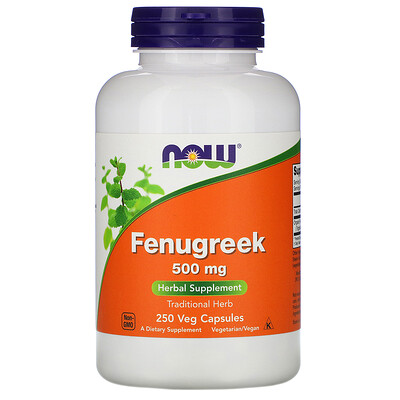
Fenugreek: A Comprehensive Overview
Name and Basic Overview
Fenugreek is a herbal supplement derived from the seeds of the Trigonella foenum-graecum plant. It is available in various forms, including capsules, powders, and teas. Naturally sourced from the seeds of the fenugreek plant, it is often sought for its potential benefits in supporting digestion, lactation, and blood sugar regulation. Fenugreek is popular among those looking for natural ways to enhance metabolic health and manage symptoms of menopause.
Historical Background / Traditional Use
Fenugreek has a rich history of use in traditional medicine systems, including Ayurveda and Traditional Chinese Medicine. It was utilized in ancient Greece and Egypt for its purported health benefits. Historically, fenugreek was used to aid digestion, stimulate milk production in breastfeeding women, and as a general tonic for health and vitality. Modern usage often focuses on its potential to support metabolic health, particularly in managing blood sugar levels and cholesterol.
Composition and Active Components
The primary active components of fenugreek include saponins, flavonoids, and alkaloids, with trigonelline being a notable alkaloid. Fenugreek seeds are also rich in soluble fiber, which may contribute to its effects on blood sugar and cholesterol levels. These components are believed to work by modulating insulin activity, enhancing glucose metabolism, and providing anti-inflammatory effects.
Research and Evidence Base
Several clinical trials have investigated fenugreek's role in blood sugar management, with some studies suggesting it may help lower fasting blood glucose and improve insulin sensitivity in individuals with type 2 diabetes. A meta-analysis of randomized controlled trials indicated that fenugreek supplementation could have a modest effect on reducing blood glucose levels, though more research is needed to confirm these findings. Preliminary studies also suggest potential benefits for lactation, with some evidence indicating that fenugreek may increase milk production in breastfeeding women. While the evidence is promising, it remains somewhat preliminary, and further research is necessary to fully understand the scope of fenugreek's health benefits and its mechanisms of action.
Potential Health Benefits
- Supports Lactation: Fenugreek is widely recognized for its potential to enhance milk production in breastfeeding women. Some studies suggest that it may help increase milk supply, although results can vary.
- Blood Sugar Regulation: There is promising research indicating that fenugreek may help in managing blood sugar levels, making it potentially beneficial for individuals with diabetes or insulin resistance.
- Digestive Health: Traditionally, fenugreek has been used to aid digestion and alleviate minor digestive issues, such as indigestion or constipation.
- Anti-inflammatory Properties: Fenugreek contains compounds that may have anti-inflammatory effects, which could be beneficial for conditions like arthritis.
- Cholesterol Management: Some studies suggest that fenugreek may help lower cholesterol levels, particularly LDL cholesterol, which is often referred to as "bad" cholesterol.
Safety, Side Effects, and Precautions
- Gastrointestinal Upset: Some individuals may experience mild gastrointestinal issues, such as diarrhea or bloating, when taking fenugreek.
- Allergic Reactions: Those with allergies to plants in the Fabaceae family should exercise caution, as fenugreek may trigger allergic reactions.
- Pregnancy and Hormonal Effects: Pregnant women should avoid fenugreek due to its potential to stimulate uterine contractions. Additionally, fenugreek may have estrogenic effects, which could affect hormone-sensitive conditions.
- Blood Sugar Levels: Individuals on diabetes medication should monitor their blood sugar levels closely, as fenugreek may enhance the effects of these medications.
Summary and Takeaway
Main Benefits: Supports lactation, may aid in blood sugar regulation, and offers potential digestive and anti-inflammatory benefits.
Caveats: Possible gastrointestinal upset and allergic reactions; not recommended for pregnant women.
Potential Risks: Interaction with diabetes medications and hormonal effects.
Worth Trying?: Fenugreek may be worth considering for those seeking natural support for lactation or blood sugar management, but caution is advised for certain groups.
Rating Among Supplements: 7/10. Fenugreek is a well-regarded herbal supplement with a long history of use, but its effects can be variable and are not universally supported by strong clinical evidence.
Study Rating: 6/10. While there is some research supporting fenugreek's benefits, more robust, large-scale studies are needed to confirm its efficacy and safety across different populations.

Wellmate AI
Your smart AI assistant for supplements and wellness. Trained on scientific research, it provides personalized recommendations based on your intake, health data, and global standards (WHO, FDA). Chat with AI, track supplements, and get expert-backed insights—all in one app. Download Wellmate