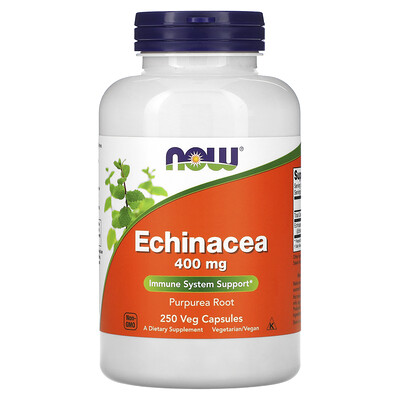
Echinacea: Immune System Support and More
Name and Basic Overview
Echinacea, specifically Echinacea purpurea, is a popular herbal supplement known for its potential immune system support. It is derived from the purple coneflower, a plant native to North America, and is available in various forms, including capsules, teas, and extracts. People commonly use Echinacea to potentially reduce the duration and severity of colds and other upper respiratory infections.
Historical Background / Traditional Use
Echinacea has a rich history of use among Native American tribes, who utilized it for its purported medicinal properties, particularly in treating infections and wounds. In modern times, Echinacea is primarily used as a dietary supplement aimed at boosting immune function, differing from its traditional applications which were more diverse.
Composition and Active Components
The primary active components in Echinacea include alkamides, glycoproteins, polysaccharides, and caffeic acid derivatives. These compounds are believed to work by modulating the immune system, potentially enhancing the body's ability to fight off infections.
Research and Evidence Base
Several studies have investigated Echinacea's effects on the immune system, with mixed results. Some clinical trials suggest that Echinacea may help reduce the duration of colds, while others find no significant benefit. A meta-analysis published in the "Lancet Infectious Diseases" indicated that Echinacea might reduce the risk of developing a cold by 10-20%, though the evidence is not universally accepted. The variability in study outcomes may be due to differences in Echinacea species, preparation methods, and dosages used in research. Overall, while some evidence supports Echinacea's role in immune support, more robust and consistent clinical trials are needed to confirm its efficacy.
Potential Health Benefits
- Immune System Support: Echinacea is popularly claimed to enhance immune function, potentially reducing the duration and severity of colds and respiratory infections. Some studies suggest that Echinacea may stimulate the immune system by increasing the activity of white blood cells.
- Anti-inflammatory Properties: Echinacea is believed to have anti-inflammatory effects, which may help in managing minor inflammatory conditions.
- Antioxidant Effects: The plant contains compounds that may act as antioxidants, helping to protect cells from oxidative stress.
Safety, Side Effects, and Precautions
- Common Side Effects: Some users may experience gastrointestinal upset, such as nausea or stomach pain. Allergic reactions, though rare, can occur, especially in individuals allergic to plants in the daisy family.
- Specific Populations: Pregnant or breastfeeding women should consult a healthcare provider before use. Individuals with autoimmune disorders or those taking immunosuppressive medications should also seek medical advice due to potential interactions.
- Long-term Use: The safety of long-term use of Echinacea supplements is not well-established, and it is generally recommended for short-term use.
Summary and Takeaway
Main Benefits: May support immune function and provide antioxidant and anti-inflammatory benefits.
Caveats: Potential for gastrointestinal upset and allergic reactions; not recommended for long-term use without medical supervision.
Potential Risks: Caution advised for pregnant women, those with autoimmune conditions, and individuals with known allergies to related plants.
Rating on Effectiveness: 7/10. Echinacea is widely used and has some supportive evidence for immune health, but results can vary, and more robust studies are needed.
Rating on Research: 6/10. While there is a fair amount of research on Echinacea, the quality and consistency of findings vary, necessitating further well-designed studies to confirm its efficacy and safety.

Wellmate AI
Your smart AI assistant for supplements and wellness. Trained on scientific research, it provides personalized recommendations based on your intake, health data, and global standards (WHO, FDA). Chat with AI, track supplements, and get expert-backed insights—all in one app. Download Wellmate