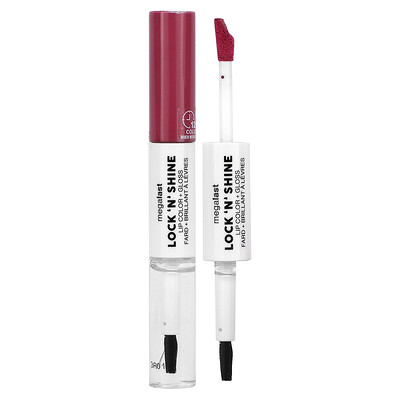
Distinction Between Cosmetic Products and Dietary Supplements
Name and Basic Overview
This article focuses on the distinction between cosmetic products and dietary supplements. While both categories aim to enhance well-being, they serve different purposes and are subject to different regulations.
Historical Background / Traditional Use
Cosmetic products have been used for centuries to enhance appearance and boost confidence. From ancient Egyptian kohl to modern lip colors and glosses, cosmetics have played a significant role in cultural and social practices. Dietary supplements, on the other hand, have roots in traditional medicine and have been used to support health and nutrition.
Composition and Active Components
Cosmetic products like lip colors and glosses typically contain pigments, emollients, and sometimes fragrances. These components are designed to provide color, moisture, and a pleasant scent. Dietary supplements contain vitamins, minerals, herbs, amino acids, and other substances intended to supplement the diet and provide health benefits.
Research and Evidence Base
Research on cosmetics primarily focuses on safety, efficacy, and consumer satisfaction. Studies may evaluate the long-lasting effects of a lip color or the moisturizing properties of a gloss. Dietary supplements are subject to scientific research to determine their health benefits, bioavailability, and potential interactions with medications.
Potential Health Benefits
While cosmetics like lip colors and glosses do not provide health benefits in the traditional sense, they can enhance self-esteem and personal expression. Dietary supplements, however, are designed to support health by providing essential nutrients that may be lacking in the diet, supporting immune function, or promoting overall well-being.
Safety, Side Effects, and Precautions
Cosmetic products are generally safe for topical use, but some individuals may experience allergic reactions or irritation. It is important to perform patch tests and follow usage instructions. Dietary supplements should be used with caution, as they can interact with medications and may not be suitable for everyone. Consulting a healthcare professional before starting any supplement regimen is advisable.
Summary and Takeaway
In summary, while both cosmetics and dietary supplements aim to improve quality of life, they do so in different ways. Cosmetics enhance appearance and self-confidence, while dietary supplements support health and nutrition. Understanding the purpose and proper use of each can help consumers make informed choices that align with their personal goals and needs.

Wellmate AI
Your smart AI assistant for supplements and wellness. Trained on scientific research, it provides personalized recommendations based on your intake, health data, and global standards (WHO, FDA). Chat with AI, track supplements, and get expert-backed insights—all in one app. Download Wellmate