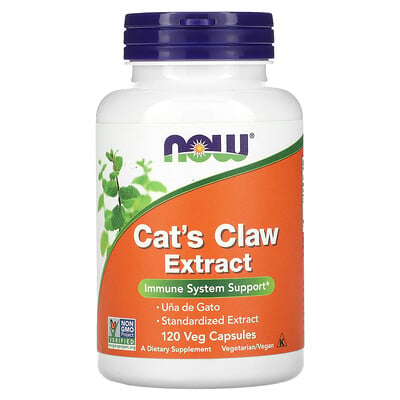
Cat's Claw Extract: Immune Support and Traditional Use
Name and Basic Overview
Cat's Claw Extract is a dietary supplement derived from the bark of the Uncaria tomentosa vine, native to the Peruvian rainforest. It is sought after for its potential immune system support and is available in a standardized extract form, ensuring consistent levels of active compounds. The supplement is non-GMO, vegetarian/vegan, and kosher, appealing to a wide range of dietary preferences.
Historical Background / Traditional Use
Cat's Claw, or uña de gato, has been traditionally used by the Ashanica Indians of Peru for centuries. Historically, it was employed in folk medicine for its purported anti-inflammatory and immune-boosting properties. Modern usage focuses on its potential to support immune health, differing from its broader traditional applications.
Composition and Active Components
The primary active components in Cat's Claw are oxindole alkaloids, with a standardized minimum of 0.9% in this extract. These alkaloids are believed to modulate immune function by enhancing the activity of white blood cells and promoting the production of cytokines, which are crucial for immune response.
Research and Evidence Base
Several studies have investigated Cat's Claw for its immune-modulating effects. Some clinical trials suggest it may help reduce inflammation and support immune function, although results are mixed. A few population studies have indicated potential benefits in reducing symptoms of osteoarthritis and rheumatoid arthritis, but more robust, large-scale trials are needed to confirm these findings. Preclinical research has shown promising anti-inflammatory and antioxidant properties, guiding future research into its therapeutic potential. Overall, while preliminary evidence is encouraging, more comprehensive studies are required to establish the efficacy and safety of Cat's Claw as an immune support supplement.
Potential Health Benefits
- Immune System Support: Cat's Claw is often marketed for its potential to enhance immune function. Some studies suggest it may help modulate the immune response, potentially benefiting those with weakened immune systems.
- Anti-inflammatory Properties: Research indicates that Cat's Claw may possess anti-inflammatory effects, which could be beneficial for conditions like arthritis.
- Antioxidant Activity: The extract is believed to have antioxidant properties, which may help protect cells from oxidative stress and damage.
- Digestive Health: Traditionally, Cat's Claw has been used to support digestive health, although scientific evidence is limited.
Safety, Side Effects, and Precautions
- Gastrointestinal Upset: Some users may experience mild gastrointestinal issues such as nausea or diarrhea.
- Allergic Reactions: Although rare, allergic reactions can occur. Individuals with known allergies to plants in the Rubiaceae family should exercise caution.
- Pregnancy and Breastfeeding: Due to insufficient safety data, pregnant and breastfeeding women are advised to avoid Cat's Claw.
- Autoimmune Conditions: Those with autoimmune diseases should consult a healthcare provider before use, as Cat's Claw may stimulate the immune system.
Summary and Takeaway
Main Benefits: Potential immune support, anti-inflammatory and antioxidant properties.
Caveats: Limited scientific evidence for some claims; potential gastrointestinal side effects.
Potential Risks: Allergic reactions, caution advised for pregnant women and those with autoimmune conditions.
Worth Trying?: May be beneficial for those seeking natural immune support, but consult a healthcare provider if you have specific health concerns.
Rating Among Supplements: 7/10. Cat's Claw is a popular herbal supplement with a long history of traditional use, but scientific backing is moderate.
Rating Based on Research: 6/10. While there is some promising research, more robust clinical trials are needed to fully validate its health benefits.

Wellmate AI
Your smart AI assistant for supplements and wellness. Trained on scientific research, it provides personalized recommendations based on your intake, health data, and global standards (WHO, FDA). Chat with AI, track supplements, and get expert-backed insights—all in one app. Download Wellmate