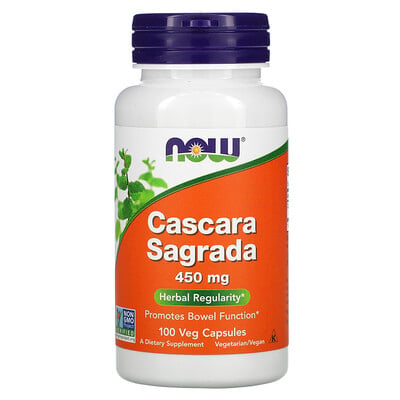
Cascara Sagrada: A Natural Laxative for Digestive Health
Name and Basic Overview
Cascara Sagrada is a dietary supplement derived from the bark of the Rhamnus purshiana tree, commonly known as "sacred bark." It is primarily sought for its natural laxative properties, promoting bowel regularity and supporting digestive health.
The bark is harvested from the tree, which is native to the Pacific Northwest of North America. It is available in various forms, including capsules, tablets, and teas. People commonly use it to alleviate constipation and support overall bowel function.
Historical Background / Traditional Use
Cascara sagrada has a rich history of use among Native American tribes and later by European settlers. It was traditionally used as a natural remedy for constipation and other digestive issues.
In traditional medicine, it was often prepared as a tea or tincture. Its use has evolved into modern-day supplements, which are standardized for consistent potency and efficacy.
Composition and Active Components
The primary active components in cascara sagrada are anthraquinones, particularly cascarosides A and B. These compounds are responsible for its laxative effects.
Anthraquinones work by stimulating peristalsis, the rhythmic contraction of the intestines, which helps to move stool through the digestive tract. They also increase water and electrolyte secretion in the colon, softening the stool and making it easier to pass.
Research and Evidence Base
Clinical studies on cascara sagrada have primarily focused on its efficacy as a laxative. Research indicates that it can be effective in relieving constipation, with effects typically occurring within 6 to 12 hours after ingestion.
While there is some evidence supporting its use, the long-term safety and efficacy of cascara sagrada remain less well-documented. The FDA has recognized it as a safe and effective over-the-counter laxative, but it advises against prolonged use due to potential side effects such as electrolyte imbalance and dependency.
Further research is needed to fully understand the long-term health implications and to explore additional potential benefits beyond its laxative properties.
Potential Health Benefits
- Promotes Bowel Function: Cascara sagrada is traditionally used as a natural laxative to support bowel regularity. It contains anthraquinones, compounds that stimulate the colon and promote bowel movements.
- Herbal Regularity: The supplement is marketed for its ability to help maintain regular bowel movements, which can be beneficial for individuals experiencing occasional constipation.
- Non-GMO and Vegan: The product is verified as non-GMO and suitable for vegetarians and vegans, appealing to those with dietary restrictions or preferences.
Safety, Side Effects, and Precautions
- Gastrointestinal Upset: Common side effects may include abdominal cramping and diarrhea, especially if taken in large doses or for extended periods.
- Long-term Use Concerns: Prolonged use of cascara sagrada can lead to dependency, where the bowel becomes reliant on the laxative effect, potentially causing chronic constipation.
- Specific Populations: Pregnant or breastfeeding women, children, and individuals with certain health conditions (such as inflammatory bowel disease or intestinal obstruction) should avoid using cascara sagrada without medical advice.
- Allergic Reactions: Although rare, some individuals may experience allergic reactions to cascara sagrada.
Summary and Takeaway
Main Benefits: Effective for promoting bowel regularity and relieving occasional constipation.
Caveats: Potential for gastrointestinal discomfort and dependency with long-term use.
Potential Risks: Not recommended for certain populations without medical consultation.
Worth Trying?: Suitable for short-term use in adults seeking a natural remedy for constipation, but caution is advised for long-term use.
Rating Among Similar Supplements: 7/10. Cascara sagrada is a well-known herbal remedy with a long history of use, but its potential for dependency and side effects limits its appeal.
Rating Based on Research: 6/10. While traditional use is well-documented, more rigorous scientific studies are needed to fully understand its efficacy and safety profile.

Wellmate AI
Your smart AI assistant for supplements and wellness. Trained on scientific research, it provides personalized recommendations based on your intake, health data, and global standards (WHO, FDA). Chat with AI, track supplements, and get expert-backed insights—all in one app. Download Wellmate