Carlson Niacin: Benefits and Usage
Name and Basic Overview
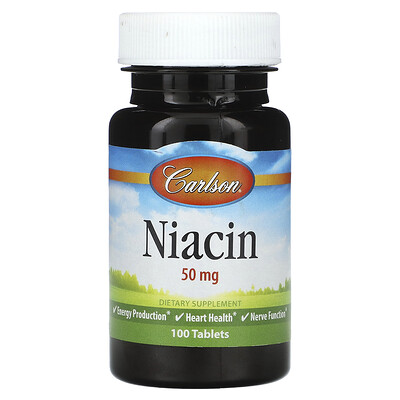
Carlson Niacin, 50 mg, is a dietary supplement designed to support energy production, heart health, and nerve function. Niacin, also known as vitamin B-3, is naturally found in foods like meat, fish, eggs, and green vegetables, but it can also be synthesized for supplementation. People commonly seek niacin for its role in metabolizing fats and cholesterol, contributing to cardiovascular health, and supporting the nervous system.
Historical Background / Traditional Use
Niacin was first identified in the early 20th century as a vital nutrient to prevent pellagra, a disease caused by niacin deficiency. Historically, niacin has been used in traditional medicine to improve circulation and reduce cholesterol levels. Modern usage focuses on its benefits for heart health and energy metabolism, often in a more targeted and controlled manner than historical applications.
Composition and Active Components
The primary active component in this supplement is niacin, specifically in the form of nicotinic acid. Niacin plays a crucial role in the body by converting nutrients into energy, aiding in the synthesis of fatty acids, and supporting the function of the nervous system. It also helps maintain healthy skin and has been shown to improve lipid profiles by increasing high-density lipoprotein (HDL) cholesterol.
Research and Evidence Base
Numerous studies have demonstrated niacin's efficacy in improving lipid profiles, particularly in increasing HDL cholesterol, which is beneficial for cardiovascular health. Clinical trials have shown that niacin can reduce the risk of heart disease when used in conjunction with other lipid-lowering therapies. However, the evidence is mixed regarding its standalone effectiveness in reducing cardiovascular events, and high doses can cause side effects such as flushing. Research continues to explore niacin's potential benefits and risks, with some studies suggesting its role in supporting cognitive function and reducing inflammation. Overall, the evidence supports niacin's role in energy metabolism and cardiovascular health, but its use should be guided by healthcare professionals to balance benefits and potential side effects.
Potential Health Benefits
- Energy Production: Niacin plays a crucial role in converting carbohydrates, fats, and proteins into energy, supporting overall metabolic function.
- Heart Health: Niacin is known for its ability to help manage cholesterol levels, potentially reducing the risk of cardiovascular diseases. It may increase HDL (good cholesterol) and lower LDL (bad cholesterol) and triglycerides.
- Nerve Function: As a vital component of the B-vitamin family, niacin supports the health of the nervous system, contributing to the maintenance of nerve function.
- Metabolism of Fats: Niacin aids in the metabolism of fats and cholesterol, which is essential for maintaining healthy lipid levels in the body.
Safety, Side Effects, and Precautions
- Common Side Effects: Some individuals may experience flushing, a temporary redness and warmth of the skin, particularly at higher doses. This is generally harmless but can be uncomfortable.
- Gastrointestinal Issues: High doses of niacin can cause stomach upset, nausea, or diarrhea.
- Liver Health: Prolonged use of high doses may affect liver function, so monitoring is advised for those on long-term supplementation.
- Specific Populations: Pregnant or breastfeeding women, children, and individuals with liver disease or peptic ulcers should consult a healthcare provider before using niacin supplements.
- Allergies: The product is gluten-free and contains no artificial preservatives, reducing the risk of allergic reactions for those with sensitivities.
Summary and Takeaway
Main Benefits: Supports energy production, heart health, and nerve function.
Caveats: Potential for flushing and gastrointestinal upset; caution advised for certain health conditions.
Potential Risks: Liver health concerns with high doses; consult a healthcare provider for long-term use.
Worth Trying: This supplement may be beneficial for individuals looking to support their cardiovascular health and energy metabolism, particularly those with low dietary intake of niacin.
Rating Among Supplements: 8/10. Carlson Niacin offers a well-rounded profile for those seeking to enhance their B-vitamin intake, with a focus on heart and metabolic health.
Study Rating: 7/10. Niacin is well-studied for its role in cholesterol management and energy production, though individual responses can vary, and more research is needed on long-term effects at supplemental doses.

Wellmate AI
Your smart AI assistant for supplements and wellness. Trained on scientific research, it provides personalized recommendations based on your intake, health data, and global standards (WHO, FDA). Chat with AI, track supplements, and get expert-backed insights—all in one app. Download Wellmate