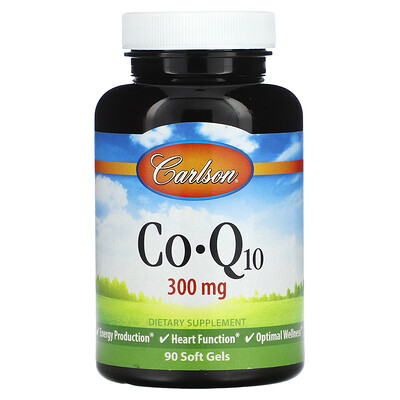
Carlson CoQ10, 300 mg, 90 Soft Gels: A Comprehensive Overview
Name and Basic Overview
Carlson CoQ10, 300 mg, 90 Soft Gels is a dietary supplement designed to support energy production, heart function, and overall wellness. Coenzyme Q10 (CoQ10) is a naturally occurring compound found in every cell of the body, particularly in the mitochondria, where it plays a crucial role in the production of adenosine triphosphate (ATP), the primary energy currency of the cell.
CoQ10 is found in small amounts in foods such as meat, fish, and nuts, but it can also be synthesized in a laboratory for supplementation. People commonly seek CoQ10 supplements for its potential benefits in enhancing energy levels, supporting cardiovascular health, and promoting optimal wellness.
Historical Background / Traditional Use
CoQ10 was first identified in 1957 and has since been extensively studied for its role in cellular energy production and antioxidant properties. While not traditionally used in ancient medicine, CoQ10 has gained popularity in modern times for its potential therapeutic benefits, particularly in the context of heart health and energy metabolism.
Composition and Active Components
The primary active component in this supplement is Coenzyme Q10 (CoQ10), with a dosage of 300 mg per soft gel. CoQ10 is a fat-soluble compound that functions as an electron carrier in the mitochondrial electron transport chain, essential for ATP production.
The supplement also contains Vitamin E (as d-alpha tocopherol), which is known for its antioxidant properties, helping to protect cells from oxidative damage. Total Fat content is minimal, serving as a carrier for the fat-soluble CoQ10, enhancing its absorption.
Research and Evidence Base
Numerous clinical trials and studies have investigated the effects of CoQ10 supplementation. Evidence suggests that CoQ10 may improve symptoms in individuals with heart failure, reduce the frequency of migraines, and enhance physical performance by improving energy production.
A meta-analysis published in the Journal of the American College of Cardiology highlighted CoQ10's potential in improving heart function and reducing mortality in heart failure patients. While some studies show promising results, the evidence is still considered preliminary for certain health claims, and more robust, large-scale trials are needed to confirm these benefits.
Preclinical studies have also indicated CoQ10's role in reducing oxidative stress and inflammation, which may guide future research into its broader health applications.
Potential Health Benefits
- Energy Production: CoQ10 plays a crucial role in the production of ATP, the primary energy carrier in cells, which is essential for maintaining energy levels and overall vitality.
- Heart Function: CoQ10 is known for its potential benefits in supporting heart health. It may help improve heart function and reduce the risk of heart-related conditions by enhancing energy production in heart cells.
- Optimal Wellness: As an antioxidant, CoQ10 helps protect cells from oxidative damage, which can contribute to overall wellness and may support healthy aging.
- Potency & Quality: The product guarantees potency and quality, ensuring that consumers receive the stated amount of CoQ10, which is crucial for efficacy.
Safety, Side Effects, and Precautions
- Gastrointestinal Upset: Some individuals may experience mild gastrointestinal issues, such as nausea or diarrhea, when taking CoQ10 supplements.
- Allergic Reactions: Although rare, some people may have allergic reactions to CoQ10 or other ingredients in the supplement.
- Interactions with Medications: CoQ10 may interact with certain medications, such as blood thinners and blood pressure medications. It's advisable for individuals on these medications to consult with a healthcare provider before starting CoQ10.
- Specific Populations: Pregnant or breastfeeding women, children, and individuals with specific health conditions should seek medical advice before using this supplement.
Summary and Takeaway
Main Benefits: Supports energy production, heart health, and overall wellness; antioxidant properties.
Caveats: Potential for mild gastrointestinal upset; possible interactions with certain medications.
Potential Risks: Rare allergic reactions; caution advised for specific populations.
Worth Trying? CoQ10 is well-regarded for its role in energy production and heart health, making it a worthwhile consideration for those seeking these benefits.
Who Might Benefit? Individuals looking to support heart health, enhance energy levels, or protect against oxidative stress.
Open Questions: Long-term effects and optimal dosing for various health conditions remain areas for further research.
Rating Among Supplements: 8/10. CoQ10 is a well-established supplement with a strong reputation for supporting heart health and energy production.
Rating Based on Research: 7/10. While CoQ10 is supported by a substantial body of research, more studies are needed to fully understand its long-term effects and interactions with medications.

Wellmate AI
Your smart AI assistant for supplements and wellness. Trained on scientific research, it provides personalized recommendations based on your intake, health data, and global standards (WHO, FDA). Chat with AI, track supplements, and get expert-backed insights—all in one app. Download Wellmate