Borage Oil: Benefits, Uses, and Safety
Name and Basic Overview
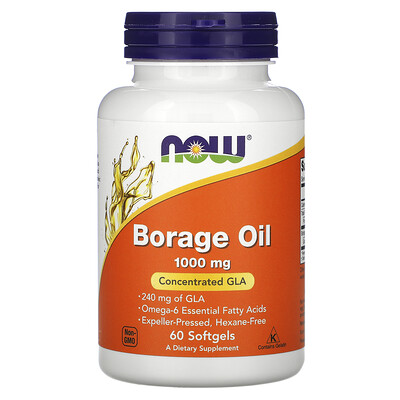
Borage Oil is a nutritional supplement derived from the seeds of the Borago officinalis plant. It is particularly valued for its high concentration of Gamma Linolenic Acid (GLA), an omega-6 essential fatty acid.
Borage Oil is often sought for its potential benefits in supporting skin health, reducing inflammation, and managing symptoms of conditions like rheumatoid arthritis and eczema.
The oil is expeller-pressed and hexane-free, ensuring a more natural extraction process, and is also non-GMO and kosher.
Historical Background / Traditional Use
Borage, also known as starflower, has been used historically in traditional medicine for its purported anti-inflammatory and diuretic properties.
Traditionally, borage leaves and flowers were used in herbal remedies and teas, while modern usage focuses on the oil extracted from its seeds for its concentrated GLA content.
Composition and Active Components
The primary active component of Borage Oil is Gamma Linolenic Acid (GLA), with a concentration of 240 mg per 1,000 mg softgel.
GLA is a polyunsaturated omega-6 fatty acid that plays a role in the production of prostaglandins, which are compounds involved in inflammation and immune responses.
Borage Oil also contains other polyunsaturated fats, contributing to its nutritional profile.
Research and Evidence Base
Clinical studies have explored the effects of GLA on inflammatory conditions, with some evidence suggesting benefits in reducing symptoms of rheumatoid arthritis and eczema. However, results are mixed, and more robust, large-scale studies are needed to confirm these findings.
A meta-analysis of GLA supplementation indicates potential in improving skin barrier function and reducing skin inflammation, though the evidence remains preliminary.
Research has also examined the safety profile of Borage Oil, confirming that it does not contain harmful levels of Pyrrolizidine Alkaloids (PAs), which are toxic compounds found in some plants.
Potential Health Benefits
- Supports Skin Health: Borage oil, rich in Gamma Linolenic Acid (GLA), is often marketed for its potential to improve skin conditions such as eczema and dermatitis. Some studies suggest that GLA can help maintain skin moisture and elasticity.
- Anti-Inflammatory Properties: GLA is known for its anti-inflammatory effects, which may benefit individuals with inflammatory conditions like rheumatoid arthritis. Some research indicates that GLA supplementation can reduce joint pain and swelling.
- Hormonal Balance: Borage oil is sometimes used to alleviate symptoms of premenstrual syndrome (PMS) and menopause due to its potential role in hormone regulation.
- Cardiovascular Health: Omega-6 fatty acids, including GLA, may support heart health by helping to maintain healthy cholesterol levels and reducing inflammation in the cardiovascular system.
Safety, Side Effects, and Precautions
- Gastrointestinal Upset: Some users may experience mild gastrointestinal issues such as nausea or diarrhea.
- Allergic Reactions: Individuals with allergies to plants in the Boraginaceae family should exercise caution.
- Pregnancy and Breastfeeding: Pregnant or breastfeeding women should consult a healthcare provider before using borage oil, as its safety in these populations is not well-established.
- Medication Interactions: Those on anticoagulant or anti-inflammatory medications should seek medical advice before use, as GLA may interact with these drugs.
Summary and Takeaway
Main Benefits: Supports skin health, anti-inflammatory properties, potential hormonal balance, and cardiovascular support.
Caveats: Possible gastrointestinal upset, potential allergic reactions, and interactions with certain medications.
Potential Risks: Limited safety data for pregnant or breastfeeding women.
Worth Trying?: Borage oil may be beneficial for individuals seeking natural support for skin health, inflammation, or hormonal balance. However, it is essential to consider potential interactions and consult with a healthcare provider, especially for those with existing health conditions or on medication.
Rating Among Dietary Supplements of the Same Type: 7/10. Borage oil is a well-regarded source of GLA, but its benefits can vary among individuals, and more research is needed to fully understand its efficacy.
Rating Based on How Well It Has Been Studied: 6/10. While there is some promising research on GLA and borage oil, more comprehensive studies are needed to confirm its health benefits and safety profile.

Wellmate AI
Your smart AI assistant for supplements and wellness. Trained on scientific research, it provides personalized recommendations based on your intake, health data, and global standards (WHO, FDA). Chat with AI, track supplements, and get expert-backed insights—all in one app. Download Wellmate