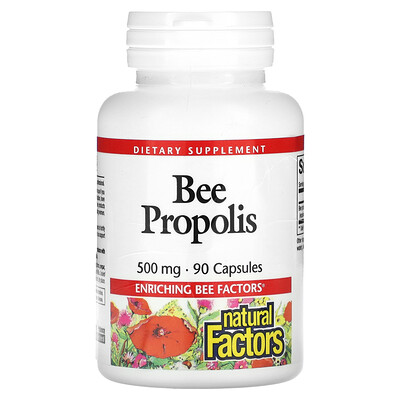
Bee Propolis: Benefits, Uses, and Precautions
Name and Basic Overview
Bee Propolis is a resinous substance produced by bees, combining plant resins with beeswax and enzymes. It is primarily used by bees to seal and protect their hives. Natural sources include various plant resins collected by bees. People commonly seek bee propolis for its potential immune-supporting properties and its use in traditional medicine for its purported antimicrobial and anti-inflammatory effects.
Historical Background / Traditional Use
Bee propolis has been used for centuries in various cultures, including ancient Egypt, Greece, and Rome, for its supposed healing properties. Traditionally, it was used to treat wounds, as an antiseptic, and for its potential to support the immune system. Modern usage often focuses on its potential health benefits, particularly in supporting immune function and as a natural remedy for minor infections.
Composition and Active Components
The primary active components of bee propolis include flavonoids, phenolic acids, and esters, which are believed to contribute to its biological activity. Flavonoids, such as pinocembrin and galangin, are thought to have antioxidant properties, which may help protect cells from oxidative stress. These components may work in the body by modulating immune responses and providing antimicrobial effects, although the exact mechanisms are still under investigation.
Research and Evidence Base
Several studies have explored the potential health benefits of bee propolis, particularly its antimicrobial and anti-inflammatory properties. However, the evidence is mixed and often preliminary. Some clinical trials suggest that bee propolis may help reduce the duration and severity of colds and other upper respiratory infections, but more robust studies are needed to confirm these findings. Research also indicates potential benefits in wound healing and oral health, but again, more comprehensive studies are required to establish these effects conclusively. Overall, while there is some promising evidence, the current research base is not yet robust enough to make definitive health claims about bee propolis. Further studies, particularly large-scale human trials, are necessary to better understand its efficacy and safety.
Potential Health Benefits
- Immune System Support: Bee propolis is often marketed for its potential to bolster the immune system. This is based on its rich content of flavonoids and phenolic compounds, which have been shown to exhibit antimicrobial and anti-inflammatory properties in some studies.
- Antioxidant Properties: Propolis contains a variety of antioxidants, which may help protect cells from oxidative stress and damage.
- Wound Healing: Some research suggests that propolis may aid in wound healing due to its antimicrobial and anti-inflammatory effects.
- Oral Health: Propolis has been studied for its potential benefits in oral health, including reducing dental plaque and promoting gum health.
Safety, Side Effects, and Precautions
- Allergic Reactions: Individuals allergic to bee products, including honey and bee stings, should avoid propolis as it may cause allergic reactions.
- Gastrointestinal Upset: Some users may experience mild gastrointestinal issues, such as nausea or diarrhea.
- Pregnancy and Breastfeeding: There is limited research on the safety of propolis during pregnancy and breastfeeding, so it is advisable to consult a healthcare provider before use.
- Interactions with Medications: Propolis may interact with certain medications, such as those affecting the immune system. It is important to consult with a healthcare professional if you are taking other medications.
Summary and Takeaway
Main Benefits: Supports immune health, offers antioxidant protection, may aid in wound healing, and supports oral health.
Caveats: Potential for allergic reactions, especially in those sensitive to bee products. Limited research on safety during pregnancy and breastfeeding.
Potential Risks: Allergic reactions and gastrointestinal upset are possible side effects.
Worth Trying? Propolis may be beneficial for those looking to support their immune system and oral health, but caution is advised for individuals with allergies to bee products.
Rating Among Supplements: 7/10. Propolis is a well-regarded supplement with a history of traditional use and some scientific backing, but it is not universally effective for everyone.
Rating Based on Research: 6/10. While there is promising research, more high-quality studies are needed to fully understand the benefits and safety of propolis.
This review provides a balanced perspective on Natural Factors Bee Propolis, highlighting its potential benefits and necessary precautions.

Wellmate AI
Your smart AI assistant for supplements and wellness. Trained on scientific research, it provides personalized recommendations based on your intake, health data, and global standards (WHO, FDA). Chat with AI, track supplements, and get expert-backed insights—all in one app. Download Wellmate