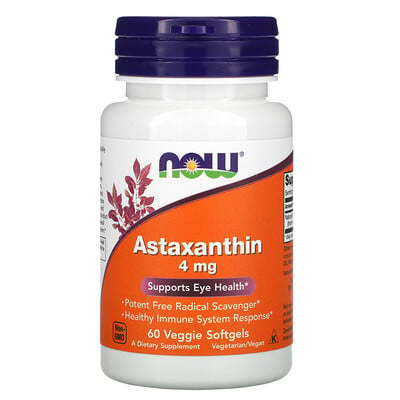
Astaxanthin: A Potent Antioxidant for Eye and Brain Health
Name and Basic Overview
Astaxanthin is a naturally occurring carotenoid, renowned for its potent antioxidant properties. It is primarily derived from the microalgae Haematococcus pluvialis, although it can also be found in certain seafood like salmon, trout, and shrimp. People commonly seek astaxanthin for its potential benefits in supporting eye health, promoting a healthy inflammatory response, and providing overall antioxidant protection.
Historical Background / Traditional Use
Astaxanthin's use in traditional medicine is limited, as its discovery and extraction for health purposes are relatively recent. Historically, its presence in the diet was primarily through the consumption of seafood rich in this carotenoid. Modern usage focuses on its antioxidant capabilities, which are leveraged in dietary supplements to support various aspects of health, particularly ocular and neurological health.
Composition and Active Components
The primary active component in this supplement is Zanthin® Natural Astaxanthin, extracted from Haematococcus pluvialis. Astaxanthin is a xanthophyll carotenoid, which contributes to its strong antioxidant activity. Its unique molecular structure allows it to cross the blood-brain and blood-retina barriers, providing targeted antioxidant protection to the eyes, brain, and nervous system. This ability is crucial for its role in supporting eye health and a healthy inflammatory response.
Research and Evidence Base
Several clinical trials and studies have investigated the health benefits of astaxanthin. Research indicates that astaxanthin may improve visual acuity and reduce eye fatigue, particularly in individuals who engage in prolonged screen time or other visually demanding tasks. A meta-analysis of studies on astaxanthin's anti-inflammatory effects suggests that it may help modulate inflammatory pathways, although more research is needed to fully understand its mechanisms and efficacy. While the evidence supporting astaxanthin's antioxidant benefits is robust, its specific effects on human health, particularly in the context of long-term supplementation, require further investigation to establish comprehensive guidelines and recommendations.
Potential Health Benefits
- Supports Eye Health: Astaxanthin is highlighted for its ability to cross the blood-retina barrier, potentially offering direct antioxidant protection to the eyes. This can be beneficial in maintaining retinal health and overall ocular function.
- Potent Carotenoid Antioxidant: As a carotenoid, astaxanthin is known for its strong antioxidant properties, which may help neutralize free radicals and reduce oxidative stress in the body.
- Healthy Inflammatory Response: Some studies suggest that astaxanthin may support a healthy inflammatory response, which can be beneficial for overall health and wellness.
- Brain and Nervous System Support: Due to its ability to cross the blood-brain barrier, astaxanthin may offer neuroprotective benefits, potentially supporting brain health and cognitive function.
Safety, Side Effects, and Precautions
- Gastrointestinal Upset: Some individuals may experience mild gastrointestinal issues, such as stomach discomfort or nausea, when taking astaxanthin supplements.
- Allergic Reactions: Although rare, there is a potential for allergic reactions, particularly in individuals with sensitivities to carotenoids or algae-based products.
- Pregnant and Nursing Women: As with any supplement, pregnant or nursing women should consult a healthcare provider before use.
- Children and Specific Health Conditions: The safety of astaxanthin in children or individuals with specific health conditions has not been extensively studied, so caution is advised.
Summary and Takeaway
Main Benefits: Astaxanthin offers potential benefits for eye health, antioxidant protection, and a healthy inflammatory response.
Caveats: While generally safe, some users may experience mild side effects, and those with specific health conditions should consult a healthcare provider.
Potential Risks: Limited data on long-term use and effects in certain populations.
Worth Trying?: Astaxanthin may be worth considering for those seeking antioxidant support, particularly for eye and brain health.
Rating Among Similar Supplements: 8/10. Astaxanthin is a well-regarded antioxidant with specific benefits for eye and brain health, though individual results may vary.
Rating Based on Research: 7/10. While there is promising research, more extensive studies are needed to fully understand its long-term effects and benefits across different populations.

Wellmate AI
Your smart AI assistant for supplements and wellness. Trained on scientific research, it provides personalized recommendations based on your intake, health data, and global standards (WHO, FDA). Chat with AI, track supplements, and get expert-backed insights—all in one app. Download Wellmate