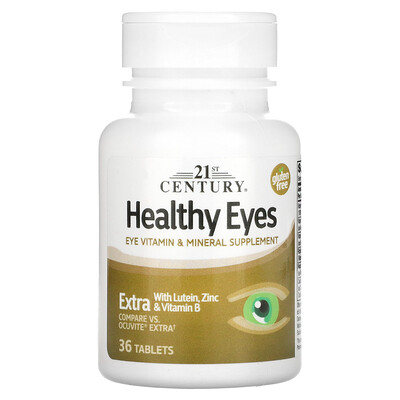
21st Century Healthy Eyes Extra: A Comprehensive Eye Health Supplement
Name and Basic Overview
21st Century Healthy Eyes Extra is a dietary supplement designed to support eye health. It contains a blend of vitamins, minerals, and antioxidants, including lutein, zinc, and B vitamins.
Lutein is naturally found in green leafy vegetables, while zinc is present in foods like meat and shellfish. The B vitamins are commonly found in a variety of foods, including whole grains and dairy products.
This supplement is often sought for its potential benefits in maintaining eye health and protecting against age-related eye conditions.
Historical Background / Traditional Use
Lutein and other carotenoids have been traditionally consumed through diets rich in fruits and vegetables, known for their role in supporting vision and overall health.
Zinc and B vitamins have long been recognized for their essential roles in various bodily functions, including immune support and energy metabolism.
Composition and Active Components
The supplement contains several key components:
- Vitamin A (as Beta-Carotene): Essential for maintaining healthy vision and immune function.
- Vitamin C (Ascorbic Acid): An antioxidant that helps protect cells from damage.
- Vitamin E (d-Alpha Tocopheryl Acetate): Another antioxidant that supports eye health.
- Riboflavin (Vitamin B-2) and Niacin (Vitamin B-3): B vitamins that play roles in energy production and cellular function.
- Zinc (as Zinc Oxide): Important for maintaining the health of the retina and overall eye function.
- Lutein: A carotenoid that accumulates in the retina, believed to filter harmful blue light and support visual health.
- L-Glutathione: An antioxidant that may help protect the eyes from oxidative stress.
Research and Evidence Base
Research suggests that lutein and zeaxanthin, another carotenoid, are beneficial for eye health, particularly in reducing the risk of age-related macular degeneration (AMD). A study published in JAMA Ophthalmology highlighted the protective effects of these carotenoids.
Zinc has been studied for its role in eye health, with the Age-Related Eye Disease Study (AREDS) showing that zinc, in combination with antioxidants, can slow the progression of AMD.
Vitamins C and E are well-documented antioxidants that may help protect the eyes from oxidative damage, although more research is needed to fully understand their impact on eye health.
The evidence supporting the use of B vitamins for eye health is less robust, but they are essential for overall health and may indirectly support eye function through their roles in energy metabolism and cellular health.
Potential Health Benefits
- Supports Eye Health: The combination of lutein, zinc, and vitamin B is often marketed for maintaining eye health. Lutein, in particular, is a carotenoid that may help filter harmful blue light and support visual function.
- Antioxidant Properties: Vitamins A, C, and E, along with selenium and L-glutathione, are known for their antioxidant properties, which can help protect cells from oxidative stress.
- Immune Support: Vitamin C and zinc are well-documented for their roles in supporting the immune system.
- Energy Metabolism: B vitamins, including riboflavin and niacin, are essential for energy production and may help reduce fatigue.
Safety, Side Effects, and Precautions
- Gastrointestinal Upset: High doses of certain vitamins and minerals, such as niacin and zinc, can cause gastrointestinal discomfort in some individuals.
- Allergic Reactions: Although rare, some people may experience allergic reactions to specific ingredients.
- Specific Populations: Pregnant or breastfeeding women, children, and individuals with pre-existing health conditions should consult a healthcare provider before use.
- Interactions: Those taking medications, particularly for blood pressure or cholesterol, should be cautious due to potential interactions with niacin and other components.
Summary and Takeaway
Main Benefits: Supports eye health, provides antioxidant protection, and aids in energy metabolism.
Caveats: Potential for gastrointestinal upset and interactions with medications.
Potential Risks: Allergic reactions and overconsumption of certain vitamins and minerals.
Worth Trying? This supplement may be beneficial for individuals looking to support eye health and overall wellness, particularly if dietary intake of these nutrients is insufficient.
Rating Among Similar Supplements: 7/10. It offers a comprehensive blend of nutrients but lacks some of the higher doses found in other specialized eye health supplements.
Rating Based on Research: 6/10. While the individual components are well-studied, the specific formulation lacks extensive clinical trials to confirm its efficacy.
This supplement provides a balanced approach to supporting eye health and overall wellness, though users should be mindful of potential side effects and consult healthcare professionals as needed.

Wellmate AI
Your smart AI assistant for supplements and wellness. Trained on scientific research, it provides personalized recommendations based on your intake, health data, and global standards (WHO, FDA). Chat with AI, track supplements, and get expert-backed insights—all in one app. Download Wellmate